
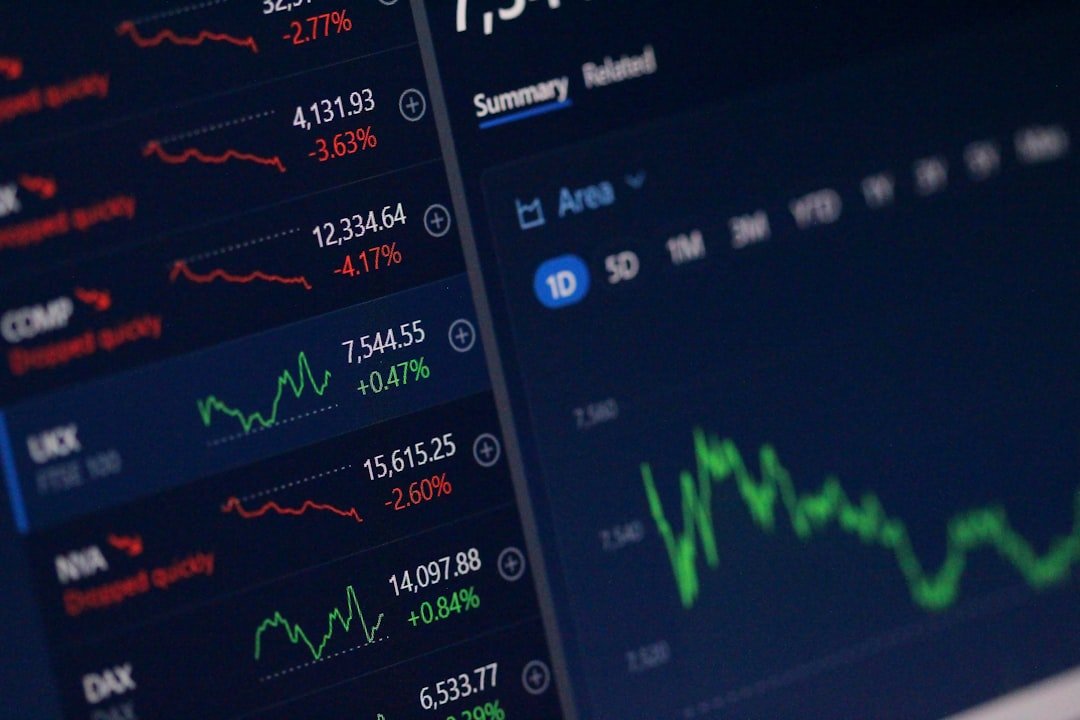
The OpenAI IPO filing marks the most consequential moment in the history of artificial intelligence business. OpenAI submitted a confidential S-1 registration statement to the U.S. Securities and Exchange Commission, publicly confirming the move on June 8, 2026. The company now races toward a Wall Street debut that analysts expect to exceed $1 trillion in market capitalization — a figure that would rewrite every record in Silicon Valley history.
Background on the OpenAI IPO Filing
OpenAI began its journey in 2015 as a nonprofit research laboratory. The company later created a capped-profit subsidiary in 2019 to attract venture capital at the scale frontier model training demands. That hybrid structure created years of legal and governance tension. One major legal obstacle cleared just days before the filing: a jury dismissed Elon Musk’s lawsuit against OpenAI on statute of limitations grounds, removing the single most visible courtroom threat to the listing process.
Key Details of the OpenAI IPO Filing
Goldman Sachs, Morgan Stanley, and JPMorgan Chase lead the offering as underwriters. OpenAI targets a public listing window between September and November 2026. Private market buyers currently price the company between $730 billion and $850 billion. Public market analysts widely expect the debut valuation to surpass $1 trillion on opening day. That figure would rank OpenAI among the five largest IPOs in U.S. history, roughly four times the scale of Alibaba’s 2014 listing. OpenAI’s last private fundraising round, which closed in March 2026, raised $122 billion from Amazon, Nvidia, and SoftBank.
Industry Impact of the OpenAI IPO Filing
The filing lands just 13 days after rival Anthropic submitted its own confidential S-1. Anthropic carries a post-money valuation of $965 billion following its $65 billion Series H round. Both companies now head toward simultaneous public listings, giving institutional investors their first real side-by-side financial comparison of the two dominant AI labs. Microsoft, OpenAI’s largest strategic backer, faces direct balance-sheet implications from however the market prices the offering. The dual filings also put enormous pressure on 2026’s IPO calendar, which already includes SpaceX.
What Comes Next
OpenAI’s public S-1 — containing full revenue figures, risk factors, and pricing details — will not become available until at least 15 days before any roadshow begins. CFO Sarah Friar has described the company as preparing to operate with public-company discipline, signaling active roadshow preparation. The company confirmed annualized revenue above $25 billion but acknowledged losses of roughly $1.22 for every dollar earned in Q1 2026. Regulators at the SEC must complete their review before any public prospectus drops. Market conditions between now and September remain the wildcard.
Conclusion
The OpenAI IPO filing represents the definitive pivot from AI as a research experiment to AI as a publicly accountable, shareholder-owned industry. The coming months will force the market to answer one question it has dodged for years: what does frontier artificial intelligence actually cost — and what is it truly worth? The answer arrives on Wall Street by late 2026, and every technology investor on earth is watching.
Related: OpenAI Files $1 Trillion IPO With Goldman Sachs
Originally reported by TechCrunch / Crypto Briefing / Memeburn. Analysis by the FastCustomAI Editorial Team.