
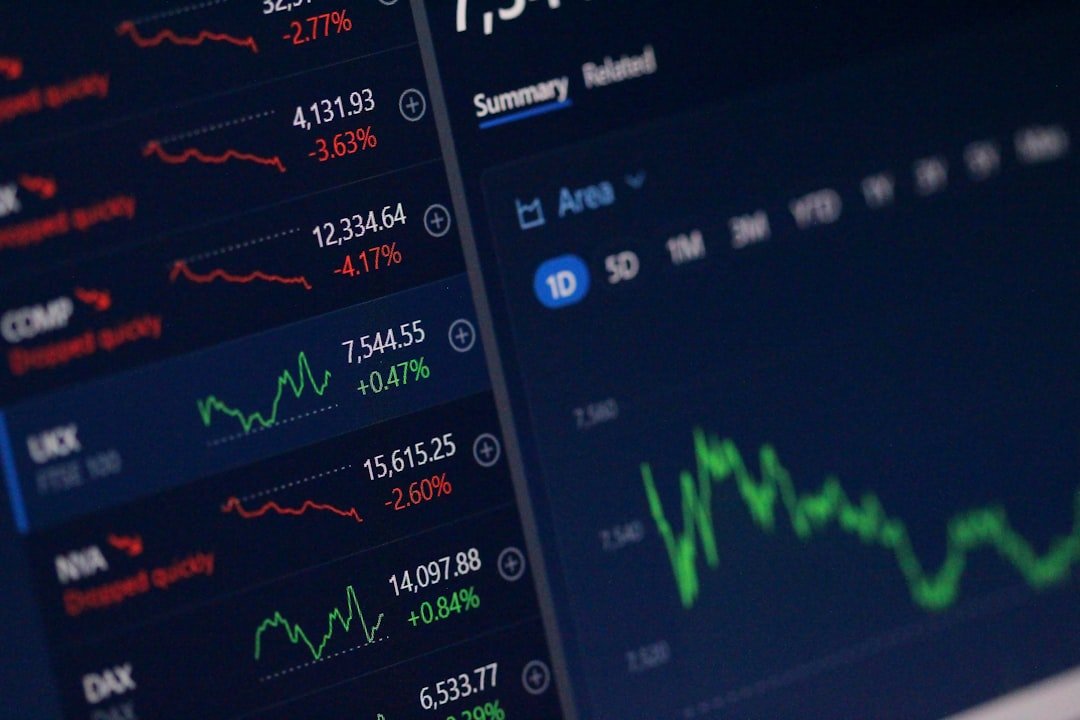
The OpenAI Anthropic IPO race officially kicked off in June 2026, setting the stage for the most consequential cluster of tech listings since the dot-com era. Both AI powerhouses filed confidential S-1 registration statements with the SEC within days of each other, targeting public debuts that analysts expect could exceed $1 trillion each in market capitalization. The dual filings mark the first genuine public-market test of frontier AI valuations — the moment when VC-priced AI companies meet institutional fund managers who demand revenue multiples that make sense.
Background on OpenAI Anthropic IPO Race
Anthropic fired the opening shot first. The Claude maker closed a $65 billion Series H funding round at a $965 billion post-money valuation on May 28, 2026, led by Altimeter Capital, Dragoneer, Greenoaks, and Sequoia Capital. Just four days later, on June 1, Anthropic confidentially submitted a draft Form S-1 to the SEC, targeting an October 2026 Nasdaq listing. The round pushed Anthropic past OpenAI’s $852 billion private market mark for the very first time. OpenAI then struck back fast. The ChatGPT maker submitted its own confidential S-1 on June 8, 2026, tapping Goldman Sachs and Morgan Stanley as lead underwriters and targeting a September public debut.
Key Details of the OpenAI Anthropic IPO Race
OpenAI targets a listing valuation of $730 billion to $850 billion in private market terms. Public market analysts widely expect the stock to push past $1 trillion on opening day. The company reported annualized revenue above $25 billion as of February 2026, up from $13.1 billion for full-year 2025. OpenAI raised more than $180 billion from investors and still burns significant cash on compute infrastructure. Anthropic projects $10.9 billion in Q2 2026 revenue alone — more than doubling its Q1 figure and exceeding its entire estimated 2025 annual revenue in a single quarter. Goldman Sachs, JPMorgan Chase, and Morgan Stanley lead Anthropic’s underwriting team. Wilson Sonsini, counsel on Google’s 2004 IPO, advises on public-market readiness.
Industry Impact of the OpenAI Anthropic IPO Race
Both filings force a level of financial transparency that the AI industry has largely avoided until now. The simultaneous offerings could divide institutional demand, leaving one or both listings undersubscribed. Microsoft owns roughly 49% of OpenAI’s for-profit entity — any IPO pricing directly impacts Microsoft’s balance sheet and stock price. Meanwhile, Amazon holds a mid-to-high-teens equity stake in Anthropic worth an estimated $135 to $160 billion at the current $965 billion valuation. Eight of the Fortune 10 already count as Claude enterprise customers, giving Anthropic a powerful sales story for its roadshow. Enterprise customers shift their spending fast. A growing number of firms already move token traffic toward cheaper rivals, squeezing margins for both companies ahead of their debuts.
What Comes Next
If OpenAI’s September timeline holds, it lists roughly one month before Anthropic’s October target. Whichever company lists first captures the largest share of early investor enthusiasm. Goldman Sachs estimates the broader 2026 AI IPO wave could generate $160 billion in US IPO proceeds — four times 2025 levels. SpaceX’s market reception sets the mood first. A strong SpaceX debut opens the window wide for both AI giants. A stumble resets pricing expectations across the entire AI IPO pipeline. Anthropic also faces a wild card: the US government ordered its two newest models, Fable 5 and Mythos 5, suspended on June 12, citing national security concerns. A federal court later granted Anthropic an injunction, but regulatory uncertainty looms heading into roadshow season.
Conclusion
The OpenAI Anthropic IPO race represents the defining financial event of the AI era so far. Both companies enter public markets with explosive revenue growth, near-trillion-dollar ambitions, and unresolved questions about profitability and compute costs. Retail investors gain first-ever direct access to OpenAI equity. Public scrutiny will replace private-market opacity for the entire frontier AI sector. Every enterprise that depends on these platforms, every developer building on their APIs, and every investor betting on AI’s future now watches the same clock. The AI arms race has moved from the data center to the trading floor.
Related: Noam Shazeer Joins OpenAI From Google
Originally reported by CNBC. Analysis by the FastCustomAI Editorial Team.